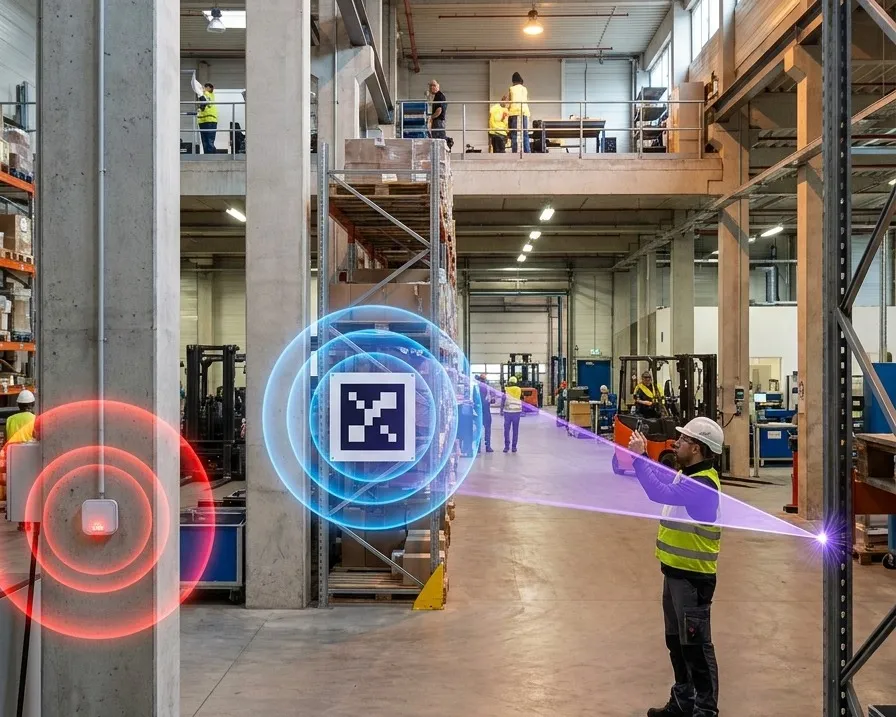
Comparing indoor positioning technologies on a tablet inside an industrial facility

Indoor Positioning Technologies Compared: UWB, BLE, Wi-Fi, QR and Visual

Five ways to answer where something is indoors, and what each one costs you.

An honest comparison, including where we are the wrong answer.

Every method here is the right choice somewhere. The question is which constraint binds on your site: accuracy, installation cost, or whether untagged things need to be found.

Three Questions That Narrow It To One

Indoor positioning is determining where a person, a device or an asset is inside a building, where satellite signals do not reach. The methods differ far more than the marketing does, and most procurement decisions come down to three questions.

How accurate does it actually need to be? Are you willing to install and maintain hardware? And does it need to find things that have nothing attached to them? Answer those and the field narrows to one or two options.
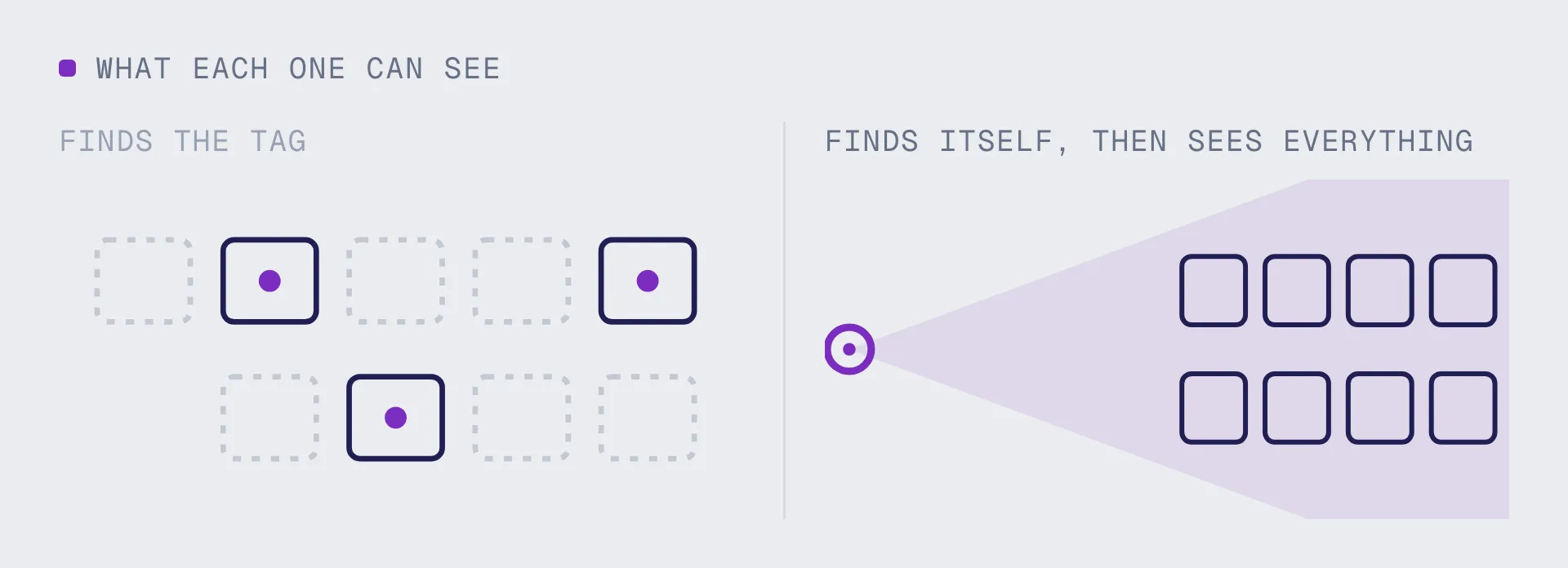
The tagged versus untagged split
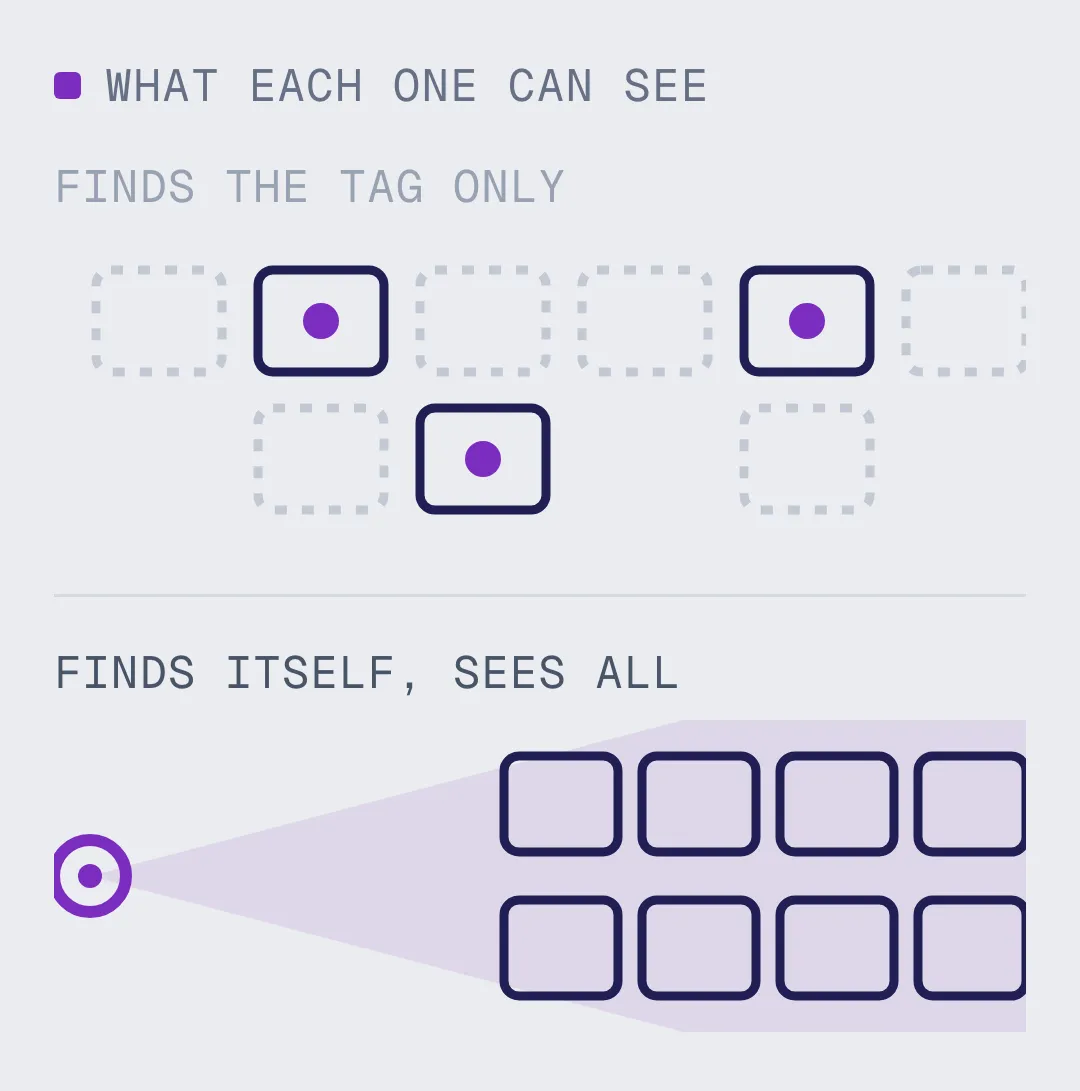
This is the line that divides the field. UWB, BLE and RFID locate a tag, so anything without a tag is invisible to them and the work scales with the number of things you want to find. Camera-based positioning locates the observer against a map of the building, so it sees whatever is in front of it, tagged or not. Neither is better in the abstract. They answer different questions.

Locates a tag: UWB, BLE beacons, RFID
Locates the observer:

- Visual positioning, against a prebuilt map of the space
- QR and fiducial markers, at the marker only

How To Run The Decision

Setting the accuracy requirement for an indoor positioning deployment
Set the accuracy bar
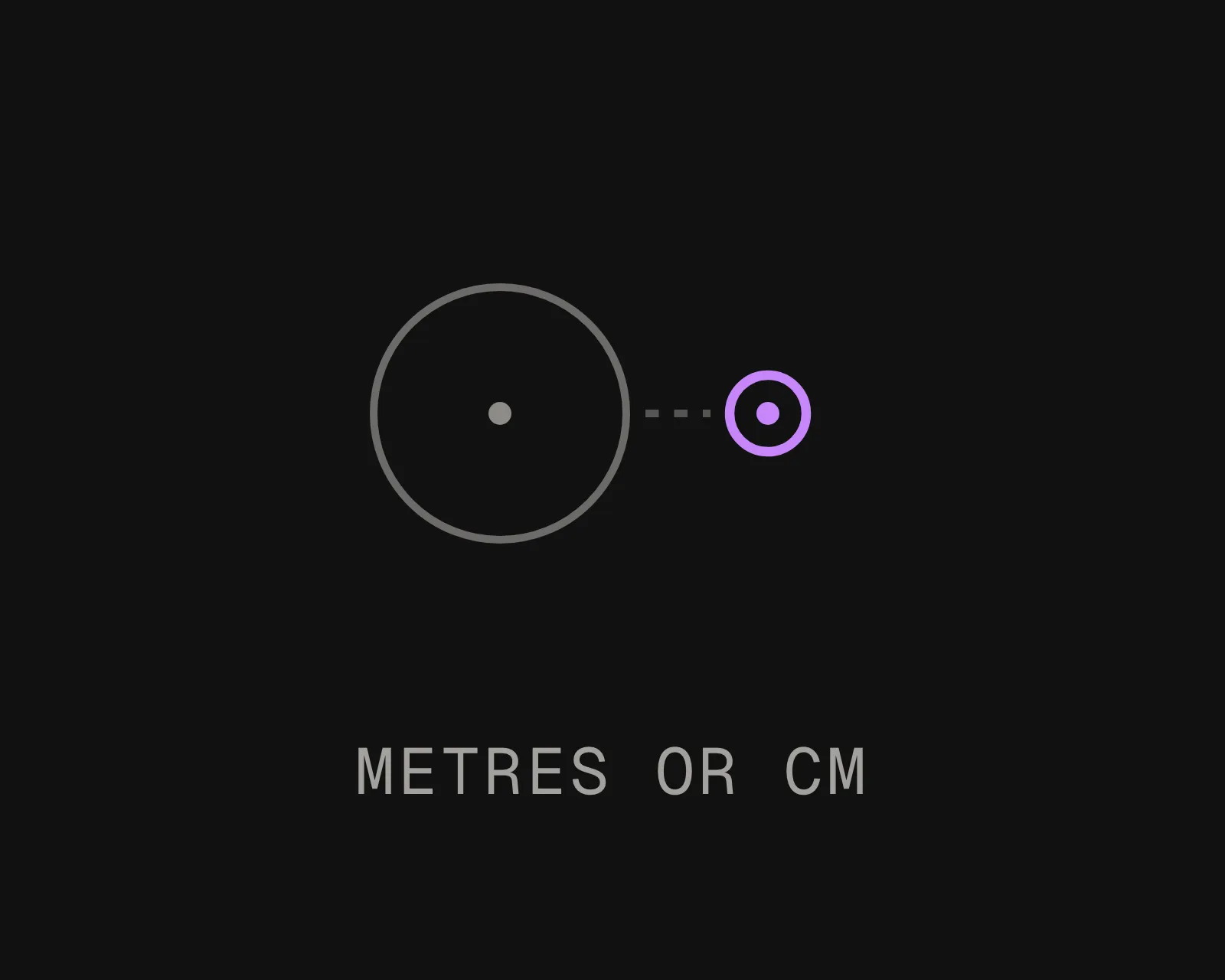
Write down the smallest thing you need to tell apart. If it is a room, metres will do and the cheap options qualify. If it is one cabinet among six identical cabinets, you need centimetres and orientation, and most of the field drops out.
Weighing installation and maintenance cost across indoor positioning methods
Price the installation, not the licence
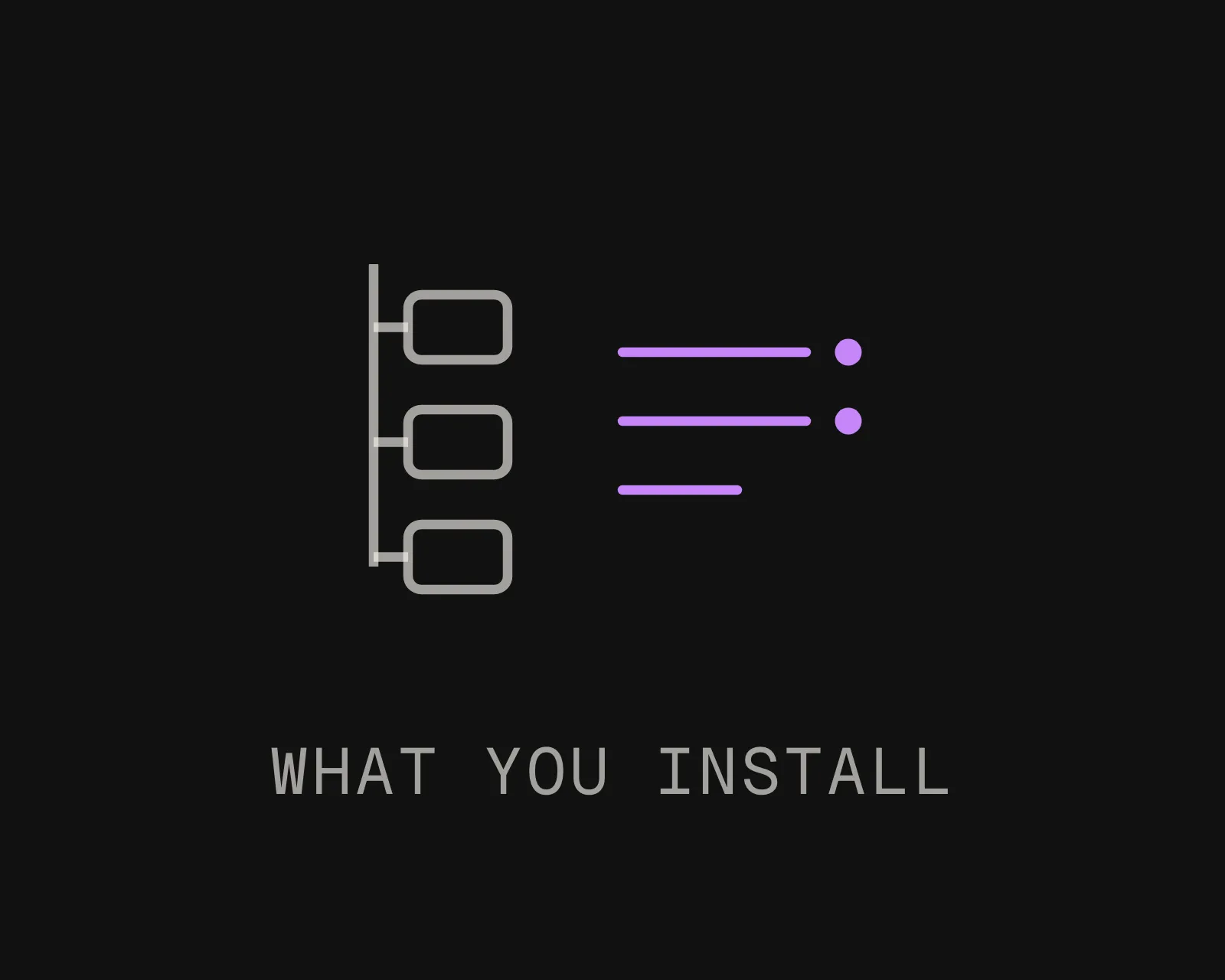
Anchor and beacon systems are building work before they are software. Count the devices, the mounting, the survey and the batteries across the life of the deployment. That number, not the per-seat price, is what the two approaches actually differ on.
Testing an indoor positioning system against a changing facility layout
Test it against change
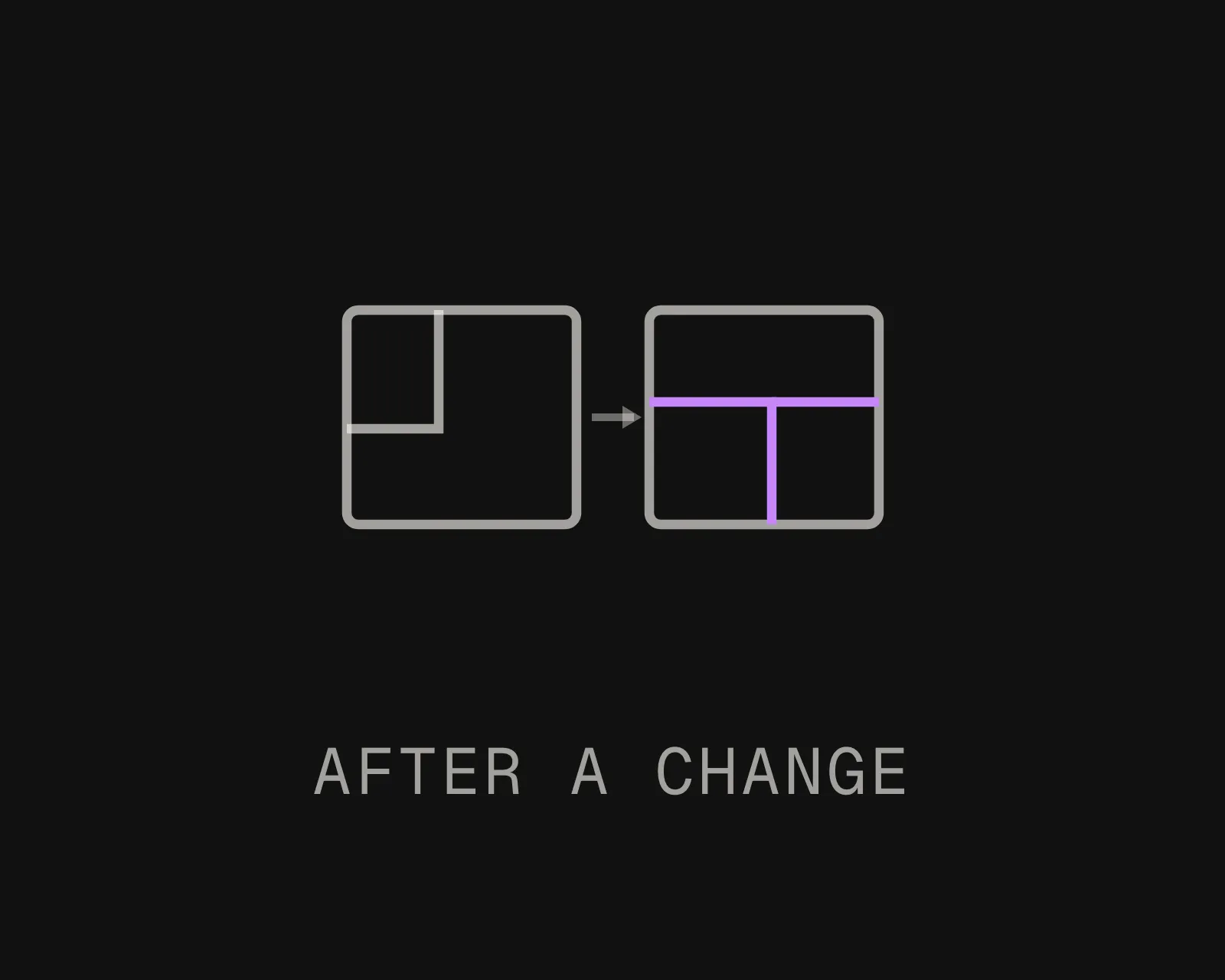
Ask what happens after a layout change, and after a year. Radio fingerprints drift as a space fills with stock and people. Anchors need re-surveying. A map needs re-scanning. Whichever you choose, the maintenance path is what decides if it is still in use in two years.

The Five Methods, And What Each Is Actually For

Ultra-Wideband (UWB)

Timed radio pulses between fixed anchors and tags. Ten to thirty centimetres is realistic and genuinely good, and it holds continuously on things that never stop moving. The cost is that it is an infrastructure project, and anything untagged stays invisible.
BLE Beacons and Wi-Fi

Position inferred from signal strength. One to five metres, degrading as a space fills with people and inventory. Cheap per unit, with the real cost in installation and in replacing batteries across hundreds of devices. Fine for wayfinding, not for identifying a specific object.
QR Codes and Fiducial Markers

Printed targets at surveyed positions. Exact at the marker and drifting between them. The maintenance burden scales with the number of things you want to identify, which is the wrong way round, and markers get painted over, peeled off and moved.
Visual Positioning (VPS)

The camera matches what it sees against a prebuilt 3D map and returns position and orientation to sub-5 cm. Nothing is installed, and it identifies untagged objects. It needs a visible scene, so it is the wrong answer in the dark or inside a sealed crate.
SLAM and Dead Reckoning

Worth naming because it is often mistaken for positioning. These track motion from wherever the device started, so the frame is private to the session and drifts. Excellent for smooth local motion, and no substitute for an absolute fix. Most production systems run both.
Most Sites End Up With Two

Tags on the sealed and the small, vision on the large and the fixed, and one shared map underneath so the two agree on where anything is. Without that shared frame you have two inventories in two coordinate systems and a person reconciling them by hand.

Side By Side: Radio Positioning Against Visual Positioning

The two families that most shortlists come down to. Figures are typical production numbers, not best-case lab results.
Talk It Through
DIMENSION
Radio (UWB, BLE, Wi-Fi)
Visual positioning
Typical accuracy
10 to 30 cm for UWB; 1 to 5 m for BLE and Wi-Fi
Sub-5 cm median, with orientation as well as position
What it locates
A tag. Untagged things are invisible
The observer, and whatever is in front of the camera
What must be installed
Anchors or beacons, mounted and surveyed, plus a tag per asset
Nothing. A scan of the building becomes the map
Works without line of sight
Yes. Radio passes through boxes and shelving
No. It needs to see the scene
Ongoing maintenance
Batteries, re-surveys, and re-tagging whatever arrives next
Re-scan the zones that changed
Best fit
Enclosed assets, high-count inventory, things always in motion
Large fixed equipment, AR overlays, robots and people sharing a map
Frequently asked questions
How does UWB indoor positioning work?

Fixed anchors and a tag exchange very short radio pulses, and the system measures how long each one takes to arrive. Because the pulses are so brief, the timing is precise, which is why ultra-wideband reaches ten to thirty centimetres where Wi-Fi and Bluetooth reach metres. The trade is that every anchor must be installed and surveyed, and every asset must carry a tag.

What is the difference between RTLS and indoor positioning?

RTLS, or real-time location system, is an umbrella term for anything tracking live position, by radio, camera or tag. Indoor positioning is the underlying measurement. The acronym tells you almost nothing about accuracy or cost, so ask which method sits underneath it before comparing two products described as RTLS.

Which indoor positioning technology is the most accurate?

Camera-based visual positioning is the most accurate of the general-purpose methods, at sub-5 cm median with orientation as well as position. Ultra-wideband follows at ten to thirty centimetres. But accuracy alone is the wrong way to choose: a marker is exact at the marker and useless between markers, and the most accurate system is worthless if it cannot see the thing you need to find.

How much does an indoor positioning system cost to install?

The licence is rarely the number that matters. For anchor and beacon systems the cost is the device count, the mounting labour, the position survey and battery replacement across the deployment's life, and it scales with floor area and with the number of assets you tag. For a camera-based system the cost is one capture of the building, and most industrial sites have been scanned at least once already for engineering or facilities.

Can Wi-Fi be used for indoor positioning?

Yes, by inferring position from signal strength against a fingerprint of the building. It is attractive because the access points already exist. The limits are that accuracy is one to five metres, the fingerprint degrades as the space fills with people and stock, and it needs re-surveying when the environment or the network changes.

Can these technologies be combined?

Yes, and most mature sites do. Tags on sealed and high-count items, vision on large fixed equipment, and on-device tracking for smooth motion between absolute fixes. The requirement that makes it work is a shared coordinate frame, so all of it resolves into one map rather than into separate systems somebody reconciles by hand.

Do I need to tag every asset I want to find?

With radio-based systems, yes, and that is the constraint people underestimate. The work scales with the number of things you want to identify, and a tag reports where the tag is rather than where the asset is once tags fall off or get swapped. Camera-based identification works from the asset itself, so nothing is attached and nothing falls off.